From Clinics to Communities: Meeting Patients Wherever They Are
From Clinics to Communities: Meeting Patients Wherever They Are
As the daughter of a nurse, I have always understood that healthcare is where I belong. When you’re part of a care team, whether that be a nurse, a doctor, or a caregiver, you’re entering a person’s life during a vulnerable period. I witnessed this personally through my mother's work, and it’s a commitment I have always aspired to share.
In addition to my inherent desire to help those in need, my upbringing in a low-income community in L.A. highlighted the disparate levels of healthcare access contingent upon one's location. Vulnerable groups such as low income families, those facing racial and ethnic barriers, elderly populations, and those without access to technology often face systemic barriers to care. I recognized early in my career that often, physicians are not trained in addressing the needs of diverse populations nor the need for unique care models that improve access.
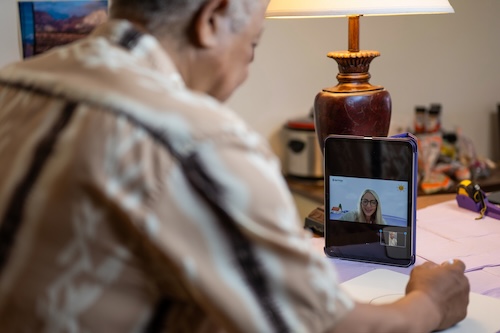
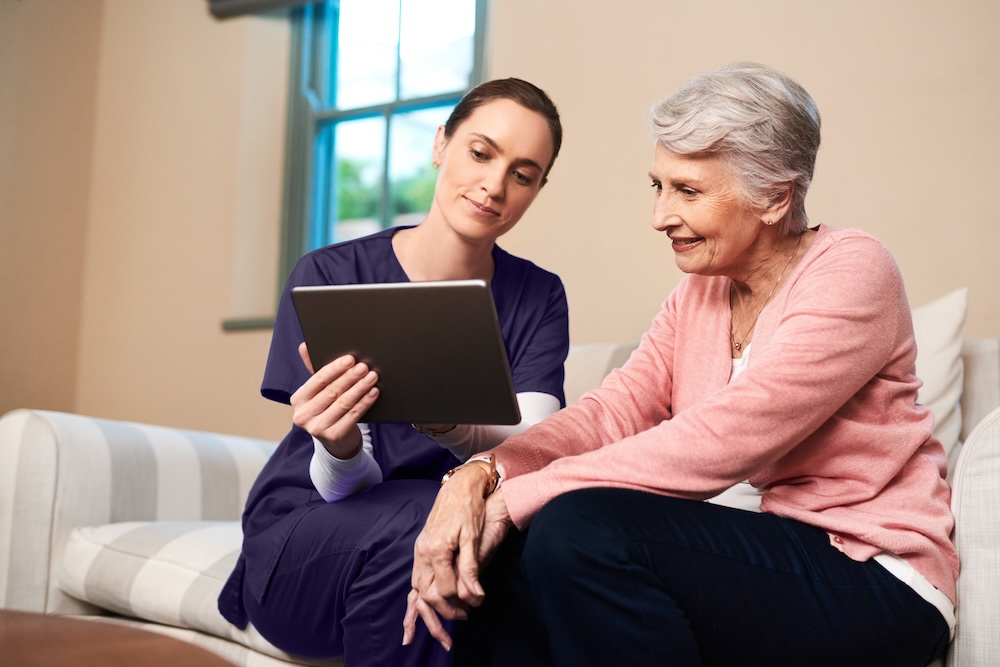
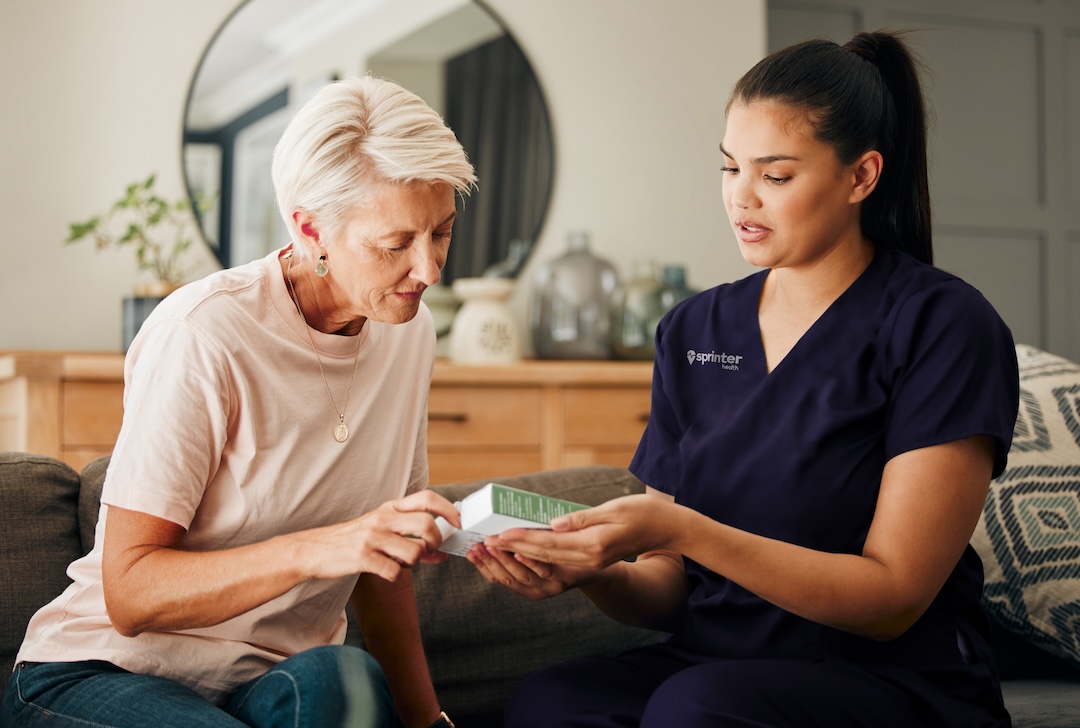
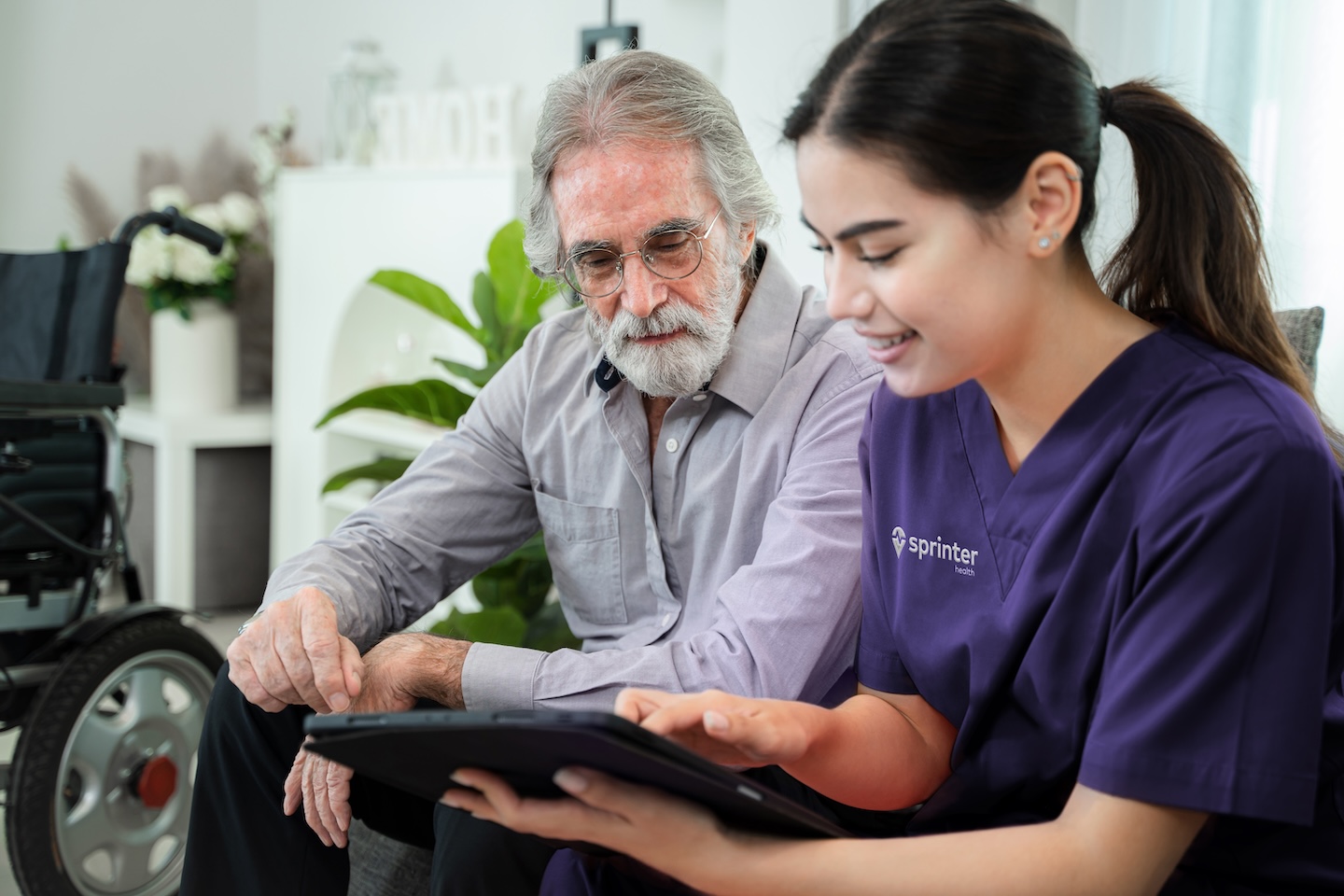
In underserved communities, like the one I grew up in, trust is a huge factor: just because you build a place to provide care, doesn’t mean the people are going to come. In order for the community to let you in, building relationships and familiarity is crucial. Once trust is established, better health outcomes become possible: preventive care, a reduction in ER visits, and re-engaging people in primary care. At Sprinter, we’re making it possible for anyone to receive personalized, proactive care right at home, on their schedule, without the wait. By recruiting and developing full-time professionals who live in the same neighborhoods as the patients they serve, our community-driven model fosters deep trust and personal connection, breaking down long-standing barriers to care. Trusted local care teams are uniquely equipped to understand the nuanced needs, preferences, and cultural contexts of their neighbors.
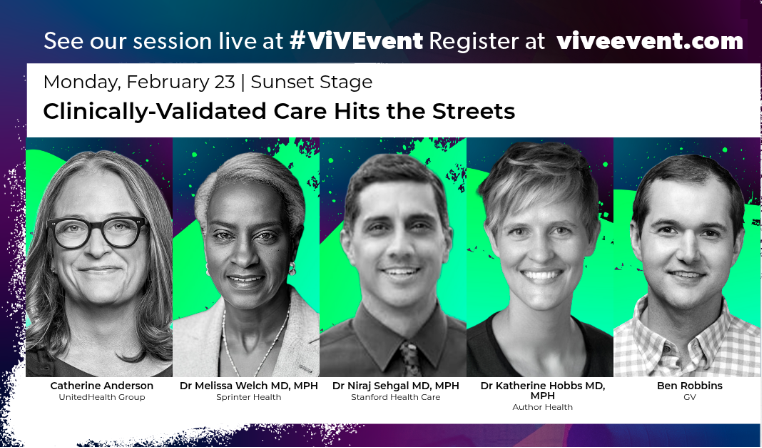
Next week, I’ll be taking the stage at ViVE LA with leaders from United Health Group, Stanford Healthcare, and Author Health to talk about how we can integrate rigorous clinical standards with community-based touchpoints, like the ones Sprinter prioritizes, to build care models that not only succeed in studies but also work sustainably in the real world. I’m looking forward to sharing my experiences on the topic and hearing different perspectives on how we can approach maintaining the same trust and presence that patients get from a clinical setting. Hope to see you there!



.png)